No products in the cart.

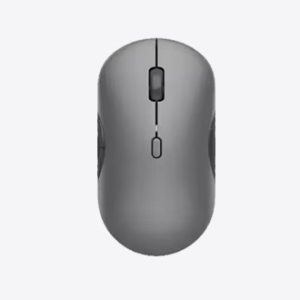
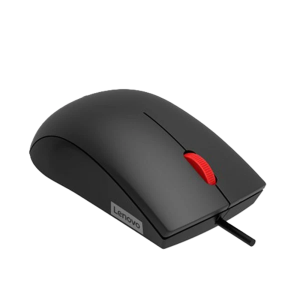
Compare mice by shape, sensor, sensitivity, buttons, connection type, weight and compatibility. Choose an ergonomic fit for your hand and grip.
Office users may prioritize comfort and battery life, while gaming users often compare sensor performance, polling rate, weight and programmable buttons.
Confirm Bluetooth or USB receiver requirements, supported operating systems, charging method and warranty.
Modern gaming wireless models can perform well, but check the connection technology and intended use. Before ordering, confirm the connection type, supported devices, dimensions, included items and warranty shown for the exact accessory.
DPI describes pointer sensitivity. A higher maximum is not automatically better; useful adjustment and sensor quality also matter. Before ordering, confirm the connection type, supported devices, dimensions, included items and warranty shown for the exact accessory.
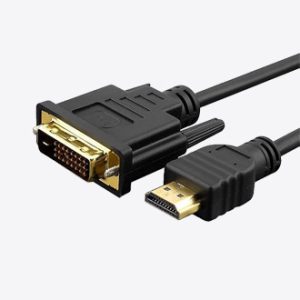
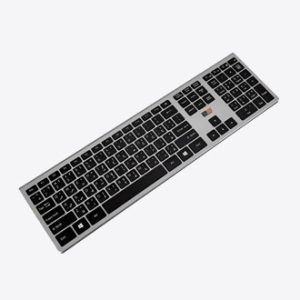
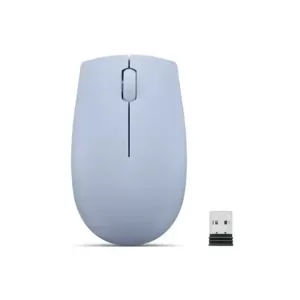
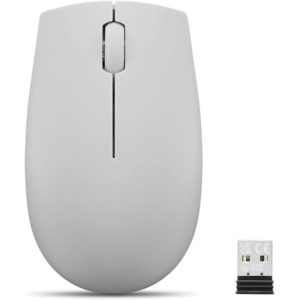
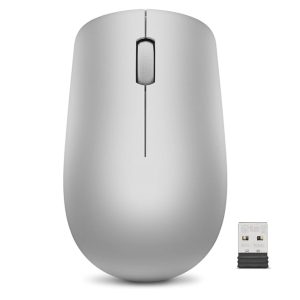
Check the required connector, supported operating systems or platforms, physical dimensions and power requirements. For wireless products, confirm whether they use Bluetooth, a USB receiver or a proprietary connection and whether that receiver is included.
Wired accessories avoid charging and can offer consistent low latency. Bluetooth saves a USB port and works with many mobile devices, while a dedicated wireless receiver may provide stronger performance or broader gaming compatibility; the best choice depends on the devices you use.
Review whether cables, receivers, adapters, batteries, replacement parts or carrying cases are included. Products with similar names can have different regional bundles, so rely on the exact product page rather than promotional images alone.
Check the stated warranty for the exact product and consider materials, switch or button ratings, cable design, battery serviceability and intended workload where those details are published. Select an accessory designed for the frequency and environment in which it will be used.